African Sovereign Instruments
Treasury Ladders.
Simplified.
Explore African sovereign bills, notes, and bonds across maturities, currencies, issuers, primary and secondary venues, settlement arrangements, and connected market-access workflows, with comparable instrument context for informed participant review.
Review Sovereign Terms Across Maturities.
Build a comparative view of African sovereign instruments across short, medium, and long maturities. Review issuer context, currency, coupon, price, yield, liquidity, settlement, jurisdiction, documentation, market access, and applicable risks before selecting an eligible participant workflow, reviewing transaction documentation, or submitting any instruction.

Select Markets and Maturities
Compare representative maturity structures or define a mandate-aligned sovereign-market view.
Review Current Terms
Access, minimums, currencies, providers, and current terms vary by market and participant.
Hold, Exit, or Reallocate
At maturity, proceeds follow the applicable settlement, reinvestment, withdrawal, or reallocation workflow.
Legal and regulatory disclosures for GTCX TradeDesk are under counsel review. Nothing in this structural placeholder states a brokerage, exchange, custody, advisory, insurance, licensing, or regulatory-status claim.
Compare Currency and Tax Context
Tax, withholding, currency, and reporting treatment depends on the instrument, issuer, participant, and jurisdiction. Obtain appropriate professional advice.
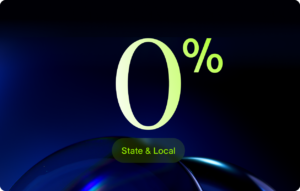
Rates May Fall.
Your Yield Won’t.
Coupon, price, yield, maturity, and reinvestment assumptions remain specific to each sovereign instrument and the terms accepted at execution.
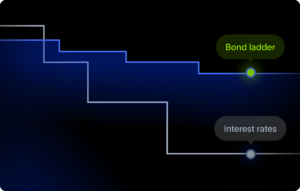
Access Your Cash.
Anytime.
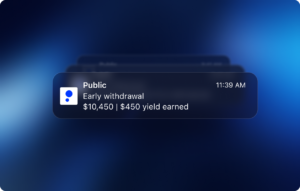
Secondary-market liquidity varies by issuer, currency, venue, instrument, and market conditions. An early sale may affect price, costs, and realized return.
Safe Returns.
Backed by the Relevant Sovereign Issuer.
Sovereign instruments carry issuer, interest-rate, market, liquidity, currency, settlement, legal, political, and jurisdictional risks that vary across African markets.
Have Questions? Find Answers.
What Are Sovereign Markets?
African sovereign markets are debt securities issued by the federal government. When you purchase one, you’re lending money to the government in exchange for either periodic interest payments or a guaranteed return at maturity. There are three main types: Treasury bills (T-bills), which mature in one year or less; Treasury notes (T-notes), with maturities between two and ten years; and Treasury debt instruments (T-debt instruments), which mature in 20 or 30 years.
What Is a Treasury Account?
A Treasury Account lets you trade in a ladder of African sovereign markets with staggered maturities. Think of it like spacing out your positions—when one Treasury matures, you can either rProvider F the money or use it if you need it. This approach helps balance flexibility and long-term growth, giving you access to cash at regular intervals while still benefiting from the potential returns of longer-term Sovereign markets.
How Does a Treasury Account Work?
It only takes a few minutes to get started with a Treasury Account on GTCX TradeDesk. You can choose from pre-built Treasury ladders designed for different time horizons or build your own from scratch. Then, with a minimum deposit of $1,000, you’ll start earning a issuer-specific return. You also have the flexibility to cash out your positions early if you need to.
Is Earned Interest from the Treasury Account Taxable?
Tax, withholding, reporting, currency, and settlement treatment varies by instrument, issuer, participant, and jurisdiction. Obtain the appropriate professional advice before proceeding.
What Happens When My Sovereign Markets Mature?
When your Sovereign markets mature, you have two options: you can automatically rProvider F the proceeds into a new Treasury with a maturity matching the longest term in your ladder, or you can withdraw the cash. The choice is yours.
Why Should I Consider Sovereign Markets for My Book?
African sovereign instruments carry issuer, currency, interest-rate, liquidity, legal, settlement, and political risk that varies by market and maturity. That’s why many traders turn to them as a reliable way to generate yield. Sovereign markets also tend to offer higher returns than traditional savings accounts, providing an easy way to put your cash to work while maintaining stability in your book.
Are There Fees Associated with the Treasury Account?
Yes, there are management fees associated with managing your Treasury Account and transaction fees associated with every trade. Management fees are tiered, starting at 0.29% and decreasing to 0.09% based on account size. Transaction markups are 0.10%-0.25% of par value, depending on duration. For more details, see GTCX TradeDesk Advisors’ Fee Schedule
Ready to Build Your Custom Ladder of African Sovereign Markets?